A small change in your neck can feel too minor to interrupt a normal week. For many Americans, thyroid cancer signs do not arrive like an emergency; they show up as a painless lump, a stubborn voice change, a swallowing issue, or a cough that refuses to make sense. That quiet start is exactly why people wait. They blame allergies, stress, reflux, a winter cold, or too much talking at work. The problem is not panic. The problem is delay when a symptom keeps repeating.
The thyroid sits low in the front of the neck, and small growths there can press on nearby structures before they cause dramatic pain. Trusted health publishers such as the American Cancer Society and Mayo Clinic list neck lumps, hoarseness, trouble swallowing, breathing trouble, neck pain, swollen lymph nodes, and a cough not linked to a cold among symptoms that deserve medical attention. A good health article should help readers act sooner, and that is why resources like trusted health awareness content matter when people are trying to connect vague symptoms with the right next step.
Thyroid Cancer Signs People Often Explain Away
Most missed symptoms have one thing in common: they feel ordinary. A person in Ohio may notice a small bump while shaving. A teacher in Texas may sound hoarse for weeks and blame classroom talking. A parent in Florida may feel food catching in the throat and call it reflux. None of those reactions are foolish. They are normal human shortcuts, and shortcuts sometimes cost time.
Why a painless neck lump gets ignored
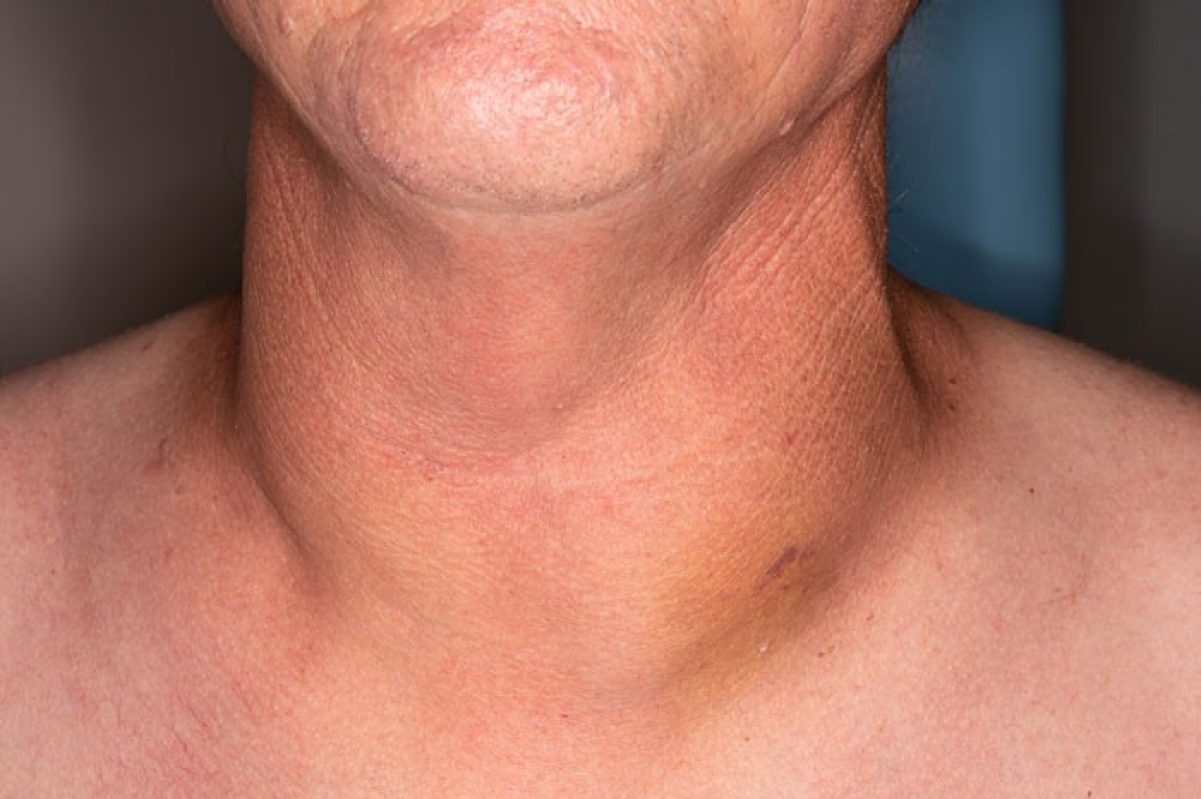
A painless lump can be easy to dismiss because pain is the signal most people trust. That is a mistake. Thyroid-related lumps often sit near the lower front of the neck and may move when you swallow, but they can also feel subtle at first. The American Cancer Society lists a neck lump that sometimes grows quickly as a possible symptom of thyroid cancer.
Many people discover a neck lump thyroid concern by accident, not during a planned self-check. They see one side of the neck catching light differently in a mirror. They feel a raised spot while applying lotion. They notice a collar sits oddly. Small details like that can matter when they stay present.
The counterintuitive part is that a soft routine can reveal what a rushed doctor visit may miss. A weekly neck check after a shower, done without fear, gives you a baseline. You are not diagnosing yourself. You are noticing whether something new deserves a professional exam.
Why “just allergies” can become a dangerous explanation
Seasonal allergies are common across the United States, so people often explain throat irritation through pollen, dry air, or postnasal drip. That explanation may fit for a few days. It fits less well when the symptom stays for weeks without a clear pattern.
A persistent cough that is not due to a cold appears on the American Cancer Society’s symptom list for thyroid cancer. That does not mean every cough points to cancer. It means a cough without an obvious reason should not live in your calendar month after month with no plan.
The smarter move is to track duration and behavior. A cough that fades with allergy medicine tells one story. A cough paired with a neck lump, voice change, or swallowing trouble tells another. Patterns beat guesses.
Voice, Swallowing, and Breathing Changes That Feel Too Common
The throat is busy territory. Voice, swallowing, breathing, reflux, sinus drainage, and stress all overlap there, which makes early warning signs easy to misread. That overlap is the trap. When symptoms are familiar, people assume the cause is familiar too.
How a hoarse voice thyroid issue can sneak past you
A raspy voice after cheering at a game makes sense. A rough voice after a cold makes sense. A voice that stays changed without a clear reason needs more respect. Mayo Clinic notes that thyroid cancer may cause voice changes, including hoarseness, as it grows.
A hoarse voice thyroid concern becomes more serious when it does not behave like ordinary irritation. It may not hurt. It may come and go. It may sound like aging, fatigue, or too many phone calls. That half-normal quality is why people wait.
One practical test is simple: listen for persistence, not drama. A voice that remains different for more than a couple of weeks deserves a call to a clinician, especially if it comes with a lump or swallowing pressure. Quiet symptoms are still symptoms.
When trouble swallowing thyroid pressure feels like reflux
Food catching in the throat can feel like acid reflux, anxiety, or eating too fast. Many Americans reach for antacids before they think about the thyroid. That choice is understandable, but it can miss pressure from a growing thyroid nodule or mass.
Mayo Clinic and the American Cancer Society both list trouble swallowing among possible thyroid cancer symptoms. A trouble swallowing thyroid issue may feel like pills pause in the throat, bread sticks more than before, or meals require extra water.
The odd thing is that swallowing trouble can feel more annoying than alarming. That is why it gets negotiated away. People change how they eat instead of asking why they had to change. When your habits adjust around a symptom, the symptom has already become part of your life.
Symptoms That Hide Inside Normal American Schedules
Busy lives reward ignoring discomfort. People work through symptoms, parent through symptoms, commute through symptoms, and schedule appointments only when something becomes impossible. Thyroid cancer can exploit that patience because some early signs do not stop daily life right away.
Why swollen lymph nodes deserve a second look
Swollen neck glands often follow infections, and most people have felt them during a cold. That memory can make new swelling feel harmless. The difference is persistence, location, and company. Swollen lymph nodes in the neck can appear with thyroid cancer, according to Mayo Clinic.
A lump under the jaw during a sore throat is one thing. A firm node near the lower neck that lingers without illness is another. If it grows, feels fixed, or appears with a thyroid-area lump, the “wait and see” approach should have a short deadline.
Doctors do not need you to arrive with a perfect explanation. They need honest timing. Say when you first noticed it, whether it changed, and what other symptoms came with it. That detail can guide the exam faster than a long internet search.
Why neck pain can be misleading
Pain in the neck or throat can come from posture, dental issues, muscle strain, infection, or stress. That makes it one of the easiest symptoms to dismiss. Still, Mayo Clinic lists pain in the neck or throat as a possible symptom as thyroid cancer grows.
The warning is not ordinary soreness after sleeping badly. The warning is pain that keeps returning, sits near the thyroid area, or pairs with voice and swallowing changes. Pain that travels toward the ear can also confuse people because they expect an ear problem first.
The unexpected truth is that pain may not be the earliest sign. A painless lump may matter more than a sore neck. That is why symptom clusters count. One symptom can be noise; several symptoms forming a pattern deserve attention.
How to Respond Without Panicking or Waiting Too Long
Fear makes people avoid appointments, while false comfort makes them delay. Neither helps. The better path sits in the middle: notice, document, and ask for a medical evaluation when symptoms persist or combine.
What a doctor may check first
A primary care doctor may begin with a neck exam, health history, and symptom timeline. Depending on what they find, they may order thyroid blood tests, imaging, or refer you for an ultrasound. The American Cancer Society notes that ultrasound can help tell whether a thyroid nodule is solid or fluid-filled, which helps guide next steps.
A neck lump thyroid evaluation does not mean cancer is already likely. Many thyroid nodules are not cancer. Still, a nodule deserves proper assessment because touch alone cannot tell the full story.
The best appointment is the one where you bring specifics. Write down when the lump appeared, whether your voice changed, whether swallowing feels different, and whether symptoms improved or stayed. Clear notes reduce guesswork.
When to make the appointment
A symptom that persists, worsens, or appears with another warning sign should move from “I’ll watch it” to “I’ll book it.” This is especially true for a hoarse voice thyroid concern that does not clear, a growing lump, or a swallowing problem that changes how you eat. The National Cancer Institute notes that thyroid cancer found early can often be treated successfully, while treatment options depend on type and stage.
A trouble swallowing thyroid pattern should not wait for a dramatic crisis. Breathing trouble, fast-growing swelling, or severe swallowing difficulty needs urgent care. Less intense symptoms still deserve timely evaluation when they keep returning.
The strongest move is not fear. It is refusing to normalize a body change that keeps asking for attention. If thyroid cancer signs are on your mind because something in your neck, voice, or swallowing has changed, schedule a medical check and let a trained clinician sort signal from noise.
Frequently Asked Questions
What are the earliest symptoms of thyroid cancer people miss?
The earliest signs often include a small painless neck lump, hoarseness, swallowing trouble, swollen neck lymph nodes, or a cough that is not tied to a cold. These symptoms can feel ordinary, so persistence matters more than intensity.
Can thyroid cancer cause a lump that does not hurt?
Yes, a thyroid-related lump may be painless, which is one reason people ignore it. A painless lump still deserves medical attention if it grows, stays for weeks, feels firm, or appears with voice, swallowing, or breathing changes.
How long should hoarseness last before seeing a doctor?
A voice change that lasts more than a couple of weeks without a clear cause should be checked, especially if it comes with a neck lump or swallowing trouble. Temporary hoarseness from a cold should improve as the illness clears.
Does trouble swallowing always mean thyroid cancer?
No, swallowing trouble can come from reflux, infection, anxiety, or other causes. It becomes more concerning when it persists, worsens, feels one-sided, or appears with a neck lump, hoarseness, breathing pressure, or swollen lymph nodes.
Can thyroid cancer symptoms feel like allergies?
Yes, some symptoms can mimic allergies, including throat irritation, cough, or voice changes. Allergy symptoms often follow a seasonal pattern or respond to treatment. Symptoms that linger without a clear trigger need a medical review.
What does a thyroid cancer neck lump feel like?
A thyroid lump may feel firm, sit low in the front of the neck, and sometimes move when you swallow. Texture alone cannot confirm cancer, so any persistent or growing lump should be evaluated by a healthcare professional.
Are thyroid cancer symptoms different in women?
Women are diagnosed with thyroid cancer more often than men, but warning signs can look similar. Neck swelling, voice changes, swallowing trouble, and persistent cough should be taken seriously regardless of gender or age.
Should I ask for an ultrasound for thyroid symptoms?
A doctor can decide whether ultrasound makes sense after examining your neck and reviewing symptoms. Ultrasound is often used to look more closely at thyroid nodules and help determine whether further testing is needed.