
A woman can look “fine” on paper and still feel like her body is running on a half-charged battery. That is why anemia in women deserves more attention than it often gets, especially during the years when periods, pregnancy, birth control choices, diet pressure, and busy family life all collide. In the United States, too many women treat exhaustion as a personality trait instead of a clue. They blame work, parenting, school, stress, or poor sleep while their blood quietly carries less oxygen than it should. Iron deficiency is a common driver, and pregnancy raises iron needs even more, which is why U.S. health guidance keeps returning to screening, diet, and supplementation when needed. For readers comparing health content and wellness resources, trusted digital publishing networks such as health-focused editorial platforms can help bring plain-language awareness to problems women often ignore. The danger is not only feeling tired. The danger is getting used to it.
Anemia Causes Often Start With Monthly Blood Loss
Blood loss sounds dramatic, but for many women it happens in a familiar, almost ordinary way. A period that runs long, soaks pads quickly, or brings clots can slowly drain iron stores month after month. Heavy menstrual bleeding can lead to anemia because the body loses red blood cells faster than it can replace them, especially when iron intake does not keep up.
The trap is routine. When something happens every month, you may stop seeing it as a medical signal. You adapt your clothes, your schedule, your bag, and your mood around it. That does not make it normal.
Heavy Menstrual Bleeding Is More Than an Annoying Period
Heavy menstrual bleeding often gets brushed aside because many women compare themselves to friends, sisters, or mothers instead of medical standards. If everyone around you talks about “bad periods,” you may think bleeding through protection or avoiding errands on day two is simply part of being female. That quiet comparison can delay care for years.
In real life, a woman in Chicago may plan meetings around her cycle because she fears a leak during a long commute. Another in Dallas may keep spare pants in her car and still never mention it at a checkup. Those are not small lifestyle quirks. They are clues that the body may be losing too much blood.
The counterintuitive part is that iron can fall before the blood test looks alarming. You may feel weak, foggy, cold, or short of breath while still being told things are “borderline.” That is why describing the bleeding pattern matters as much as asking for a lab number.
Fibroids, Endometriosis, and Hormonal Patterns Can Hide Behind Fatigue
Heavy periods rarely happen without a reason. Fibroids, endometriosis, adenomyosis, thyroid problems, polyps, and some birth control changes can all alter bleeding. The woman feels the symptom, but the cause sits one layer deeper.
A common mistake is treating iron alone while leaving the bleeding source untouched. Iron pills may refill the tank for a while, but a heavy cycle can keep pulling from it. That is like mopping the floor while the sink is still running.
Doctors often look at menstrual history, pelvic symptoms, pregnancy possibility, medication use, and sometimes imaging. The point is not to make every period scary. The point is to stop calling repeated blood loss “normal” when it is quietly reshaping your energy, mood, and daily strength.
Low Iron Intake Can Make Small Losses Feel Bigger
Diet does not cause every case, but it can decide how quickly the body recovers from normal losses. Women of reproductive age need enough iron to support red blood cell production, and the body absorbs iron from animal foods more easily than iron from plant foods. NIH guidance separates heme and nonheme iron because absorption differs by food source and meal pattern.
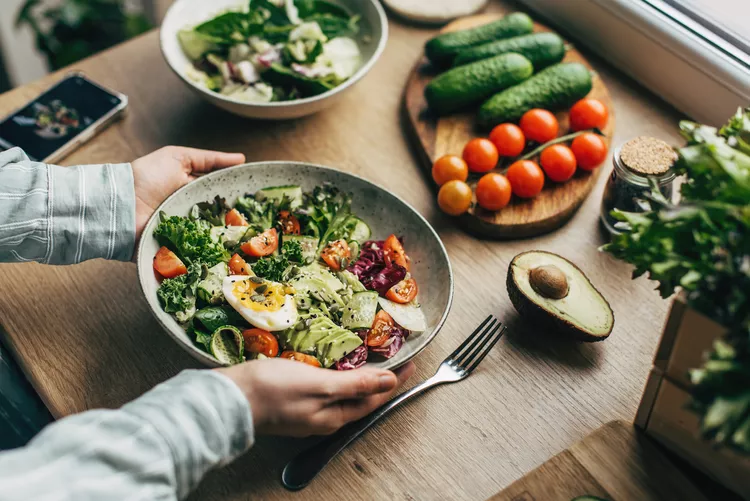
This is where modern eating gets tricky. Many American women are not starving. They are busy, dieting, skipping meals, cutting meat, drinking coffee with breakfast, or eating “light” all day. The plate may look socially acceptable while still failing the blood.
Restrictive Dieting Can Quietly Cut Iron
Diet culture often praises the exact habits that can worsen fatigue. A woman may swap breakfast for coffee, eat a salad with almost no protein at lunch, and call crackers dinner after a long shift. She may feel disciplined, but her bone marrow does not run on discipline.
Iron deficiency anemia becomes easier to develop when low intake meets monthly bleeding. This can happen to college students, new mothers, nurses on rotating shifts, athletes, and women trying to lose weight fast before a wedding or vacation. The pattern looks different from person to person, but the result can feel the same.
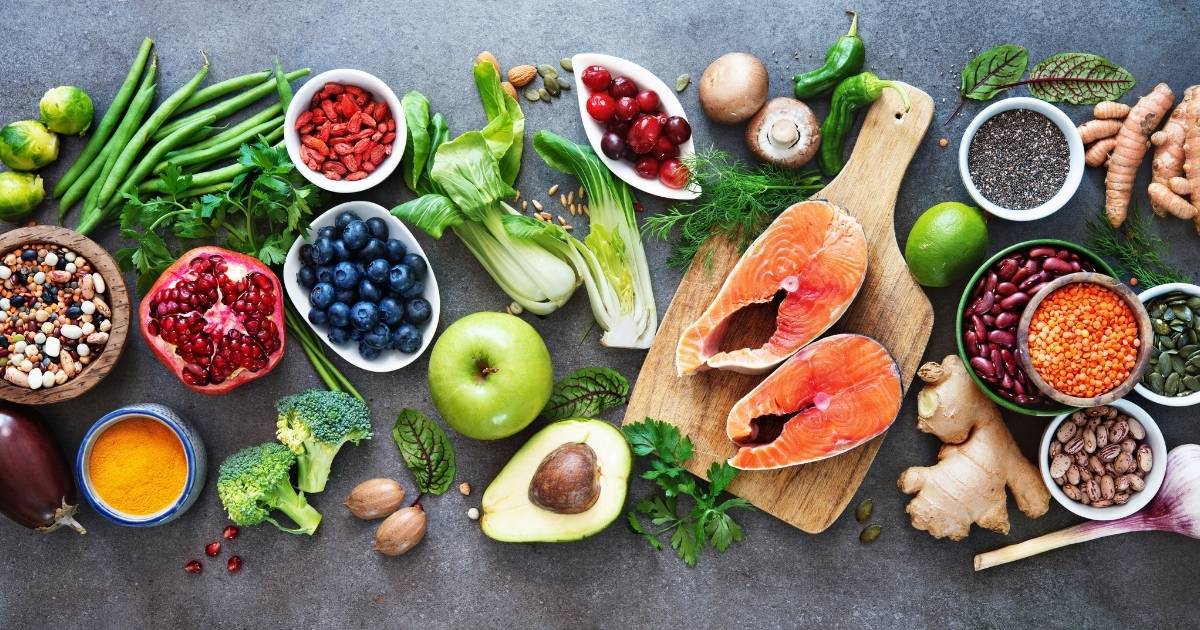
The unexpected piece is that “healthy” eating can still miss the mark. Spinach, beans, lentils, tofu, fortified cereal, eggs, beef, turkey, and seafood all play different roles. A clean-looking meal plan with too few iron-rich foods can leave a woman exhausted while everyone praises her willpower.
Plant-Based Eating Needs Planning, Not Panic
Plant-based diets can support good health, but they need more attention to iron pairing. Nonheme iron from plants is less easily absorbed, while vitamin C-rich foods can help absorption. Coffee, tea, and calcium taken at the same time as iron-rich meals may reduce how much the body gets from the food.
A practical example helps. A black bean bowl with peppers, salsa, and citrus gives the body a better chance than plain toast and tea. Lentil soup with tomatoes works harder than a small green salad with no protein. Food timing is not perfection. It is pattern repair.
Heavy menstrual bleeding makes this planning more important because the monthly loss raises the stakes. If a woman prefers vegetarian meals, she does not need shame from a clinician or relatives. She needs a smart plan, a ferritin discussion when symptoms fit, and follow-up that checks whether her body is actually responding.
Pregnancy and Postpartum Changes Raise the Demand
Pregnancy changes the math. Blood volume expands, the growing baby needs iron, and the placenta adds another demand. CDC and ACOG both recognize that iron needs rise during pregnancy and that iron deficiency is a common cause of anemia during this stage.
The problem is that many women enter pregnancy already low. They may have had years of heavy periods, short spacing between pregnancies, food insecurity, nausea, or dieting. Pregnancy does not create every shortage from scratch. Sometimes it exposes what was already fragile.
Pregnancy Anemia Can Build Before Symptoms Feel Serious
Pregnancy anemia can feel confusing because fatigue, dizziness, and shortness of breath also overlap with normal pregnancy discomfort. A woman may assume she is supposed to feel drained, especially in the second or third trimester. That assumption can keep her from asking sharper questions.
In a U.S. prenatal visit, hemoglobin may be checked, but symptoms still deserve a voice. A patient should mention cravings for ice, racing heartbeat, restless legs, pale skin, unusual weakness, or trouble climbing stairs. These details help the clinician connect the lab report to real life.
The counterintuitive insight is that prenatal vitamins do not always solve the problem. Some women cannot tolerate them. Some take them with coffee or calcium. Some need a different dose, a different form, or further testing. A bottle on the bathroom counter does not guarantee absorption.
Postpartum Recovery Can Drain Iron After Delivery
Birth can involve blood loss, and the weeks after delivery can be physically brutal. Sleep breaks apart. Meals become random. Breastfeeding may add nutritional strain. If a woman leaves the hospital already low, recovery can feel like dragging a heavy suitcase through every room of the house.
Pregnancy anemia also matters because low iron can affect mood, stamina, milk-feeding routines, and the ability to care for a newborn while healing. A new mother may be told she is “just tired,” but there is a difference between newborn tired and blood-loss tired.
Postpartum care in the United States often compresses too much into one visit. Women need permission to ask for testing when symptoms linger. A six-week appointment should not be the finish line if dizziness, pounding heartbeat, or severe weakness continues.
Absorption Problems and Chronic Conditions Can Block Recovery
Some women eat iron-rich foods, take supplements, and still do not improve. That is when the story shifts from intake to absorption, inflammation, or hidden blood loss outside the menstrual cycle. The body may be receiving iron, but not using it well.
This part deserves care because self-treatment can miss serious causes. Anemia can come from low iron, low vitamin B12, low folate, chronic disease, kidney disease, inherited blood disorders, gastrointestinal bleeding, and other medical problems. Mayo Clinic lists blood loss, low red blood cell production, and red blood cell destruction among broad causes of anemia.
Gut Health Can Decide Whether Iron Works
The small intestine absorbs much of the iron a woman needs. Celiac disease, inflammatory bowel disease, bariatric surgery, long-term acid-reducing medication, and some gut infections can interfere with that process. A supplement may pass through the routine without doing its job.
A woman in Phoenix may take iron for months and still feel faint during workouts. Another in Atlanta may have loose stools, bloating, and low ferritin but assume the problems are unrelated. The body is not divided into separate departments. Gut symptoms and blood symptoms often talk to each other.
This is where repeat testing matters. If hemoglobin, ferritin, or other markers do not improve after a reasonable treatment plan, the answer is not to keep guessing. The next step is asking why the body is not responding.
Chronic Inflammation Can Make the Lab Picture Messier
Inflammation changes iron handling in the body. Conditions such as autoimmune disease, chronic infections, kidney disease, and some long-term inflammatory states can contribute to anemia even when iron intake is not the only issue. This kind of anemia can look different from simple low-iron anemia.
The frustrating part is that ferritin can rise with inflammation, which may hide low usable iron. That is why clinicians may order more than one test, including complete blood count, ferritin, iron studies, B12, folate, thyroid testing, or inflammatory markers depending on the case.
Women of reproductive age are often expected to push through symptoms because they are young. That expectation is lazy medicine and bad self-care. Youth does not protect a woman from anemia; it only makes other people less likely to believe how weak she feels.
Conclusion
The smartest response to anemia is not panic. It is pattern recognition. If your period controls your calendar, your diet has become too thin to support your body, pregnancy left you depleted, or supplements are not helping, your fatigue deserves more than another coffee. The common thread behind many cases is not weakness. It is a mismatch between what the body loses, what it receives, and what it can absorb.
Anemia in women should be treated as a signal, not a personal flaw. Ask for the right blood work, describe your bleeding honestly, bring up pregnancy or postpartum changes, and tell your clinician if iron makes you sick or does nothing. Do not let “normal labs” end the conversation when your daily life still feels wrong. Your body keeps records even when your schedule does not.
Book a medical visit, ask direct questions, and take your symptoms seriously before exhaustion becomes your normal setting.
Frequently Asked Questions
What are the most common signs of anemia in women of reproductive age?
Fatigue, weakness, pale skin, dizziness, shortness of breath, headaches, cold hands, fast heartbeat, and poor focus can all appear. Some women also crave ice or feel restless at night. Symptoms can build slowly, so many people notice the problem only after daily tasks start feeling harder.
Can heavy menstrual bleeding cause low iron levels every month?
Heavy bleeding can drain iron stores over time, especially when periods last longer than seven days, require frequent pad or tampon changes, or include large clots. Replacing iron through food alone may not be enough if the bleeding source continues each cycle.
Why does pregnancy increase the risk of anemia?
Pregnancy raises iron needs because the body makes more blood and supports fetal growth. Women who start pregnancy with low iron, have severe nausea, carry multiples, or have closely spaced pregnancies face higher risk. Prenatal care usually includes blood testing because symptoms can resemble ordinary pregnancy fatigue.
How can diet affect iron deficiency anemia in young women?
Low intake of iron-rich foods can make normal blood loss harder to recover from. Risk rises with skipped meals, restrictive dieting, low-protein eating, or poorly planned vegetarian diets. Pairing plant-based iron foods with vitamin C can help the body absorb more iron from meals.
When should a woman ask a doctor about anemia symptoms?
A woman should ask for medical advice when fatigue feels unusual, dizziness repeats, periods are heavy, shortness of breath appears with mild activity, or symptoms continue despite rest. Chest pain, fainting, severe weakness, or pregnancy-related symptoms deserve prompt medical attention.
Can birth control help anemia linked to heavy periods?
Some birth control methods can reduce bleeding, which may help protect iron levels over time. Options depend on medical history, pregnancy plans, age, migraine history, blood clot risk, and personal preference. A clinician can help match the method to the cause of bleeding.
Why might iron supplements not improve anemia?
Supplements may fail when the dose is wrong, side effects limit use, timing blocks absorption, or the cause is not simple iron deficiency. Gut disorders, inflammation, ongoing bleeding, B12 deficiency, or folate deficiency can also keep symptoms active despite taking iron.
What tests are commonly used to check anemia in women?
Clinicians often start with a complete blood count to check hemoglobin and red blood cell patterns. Ferritin and iron studies may help evaluate iron stores. Depending on symptoms, doctors may also check B12, folate, thyroid function, pregnancy status, inflammation, or possible sources of blood loss.