
Your body is not lazy when it asks for rest. It is busy doing repair work you cannot see. Most people sabotage healing by treating recovery like dead time, then wonder why soreness lingers, cuts stay angry, and fatigue hangs around like an unpaid bill. Faster body recovery does not come from one magic supplement or a heroic workout mindset. It comes from doing a handful of plain things well, over and over, until your body gets the message that it is safe to rebuild.
I learned that lesson the annoying way. Push through a few rough weeks, stack poor sleep on top of stress, skip meals, and suddenly your body starts negotiating with you. Hard. Recovery stops feeling automatic and starts feeling expensive.
The fix usually is not glamorous. It is earlier sleep, better food, calmer nerves, lighter training, and enough patience to stop poking at the problem every hour. That is why basic health guidance from the CDC on taking care of your body still matters. The old advice sticks around because it works.
You do not need a perfect life to heal better. You need a smarter one.
The healing clock runs on sleep, not willpower
Sleep does work that motivation cannot. You can drink coffee, power through meetings, and act normal, but your body still keeps score at night. Tissue repair, muscle rebuilding, and hormone balance all lean heavily on sleep, which is why rough nights often show up as slower healing the next day.
I have seen this with people who swear they are doing everything right except bedtime. They eat well, stretch, buy the foam roller, maybe even ice every sore spot in sight. Then they sleep five broken hours and wonder why their body feels stuck in first gear. That is not bad luck. That is biology being rude and honest.
A better recovery routine starts with boring consistency. Go to bed close to the same time. Cut late caffeine sooner than you think you need to. Keep the room cool, dim, and quiet. Phones love to act innocent here, but they are often the thief in the room.
One counterintuitive truth matters: extra sleep after weeks of poor rest does not erase the debt overnight. Your body improves when it trusts the pattern, not when it gets one heroic Sunday lie-in. If you want healing to pick up speed, protect sleep like it pays rent.
Food is repair material, not just fuel
Your body builds recovery out of whatever you hand it. That means food is not only about energy. It is raw material. When you are healing from illness, training, injury, or a draining stretch of life, low-quality eating hits harder than people admit.
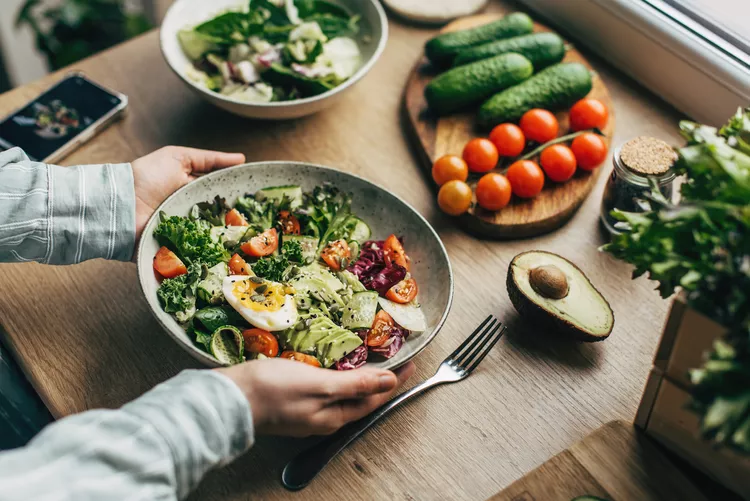
Protein matters because your body needs building blocks to repair tissue. Carbs matter because healing takes energy, and under-eating often leaves people tired, cranky, and oddly slow to bounce back. Fluids matter because blood flow carries nutrients where they need to go. Simple, yes. Optional, no.
I once watched a friend push through post-workout soreness for weeks while eating like a distracted college student. Coffee for breakfast, random snacks, then one huge dinner. He kept blaming age. The real issue was that his body never got steady support during the day. Once he started eating regular meals with protein, fruit, grains, and enough water, the difference was obvious within two weeks.
You do not need to eat like an influencer with twelve glass jars on the counter. Start smaller. Add protein to breakfast. Eat color on purpose. Stop pretending dehydration is harmless. Recovery responds well to steadiness, and steady habits beat dramatic diet plans every single time.
Smart movement speeds healing better than total rest
There is a point where rest turns from helpful to clingy. People hear “recover” and assume it means doing almost nothing. Sometimes that is right, especially right after injury or illness. But a lot of the time, complete stillness keeps you stiff, sluggish, and slower to return to normal.
Gentle movement helps circulation, joint motion, and mood. That can mean walking, light stretching, easy cycling, or basic mobility work. The trick is choosing movement that supports repair instead of picking a fight with your body. You should finish feeling looser, not flattened.
This is where people get reckless. They feel 60 percent better, so they test 110 percent. Bad trade. A smarter approach is to ask one question after any session: do you feel more alive two hours later, or more drained? Your answer tells the truth faster than your ego does.
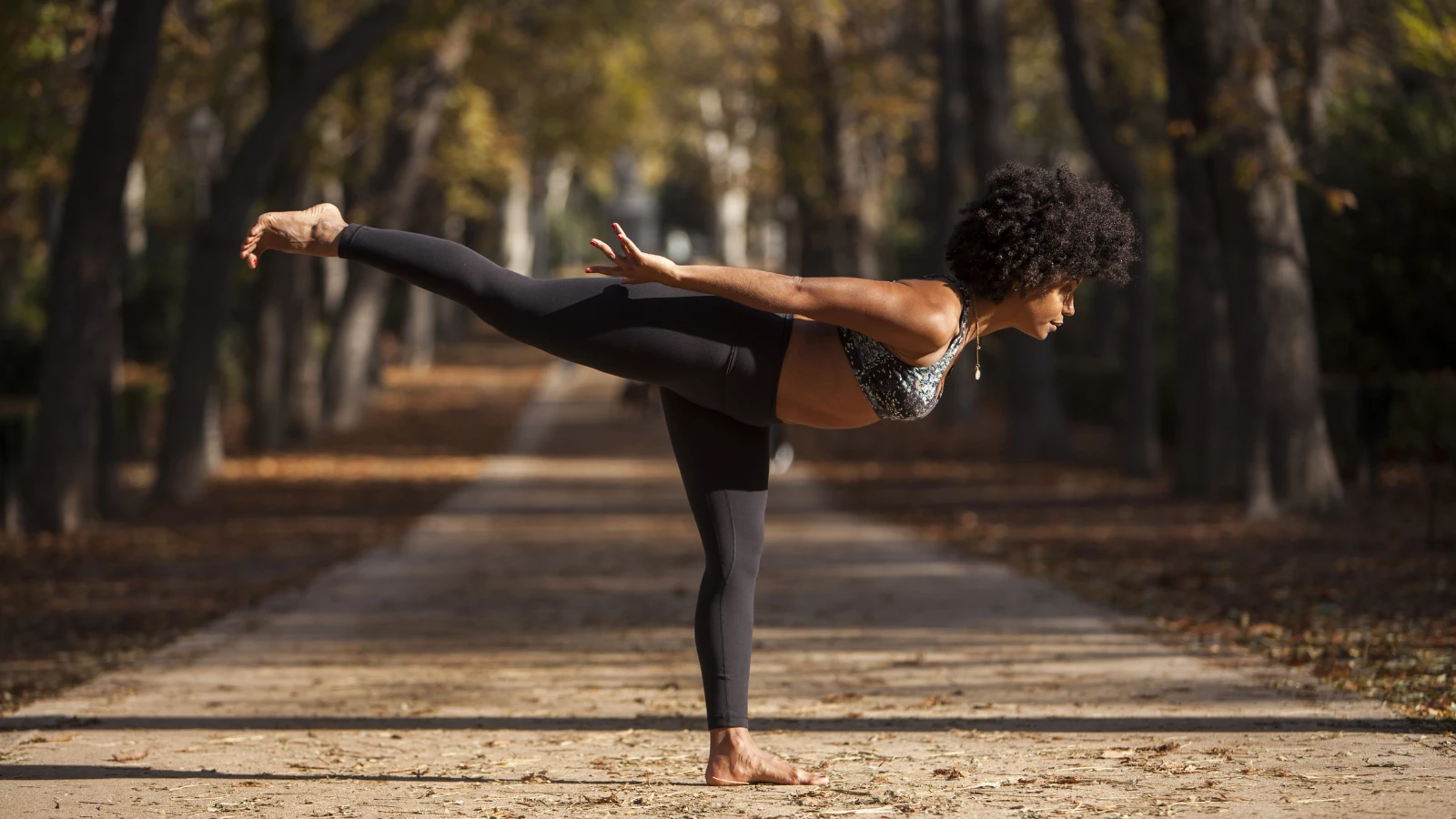
One of the best recovery habits I know is the ten-minute walk after long sitting or a hard day. It sounds too mild to matter. It matters anyway. Small movement keeps the body from acting like stress and soreness have permanent residency. Done right, motion becomes a bridge back to strength instead of a detour into fresh pain.
Stress quietly slows repair
Healing hates chaos. Your body can recover under pressure for a while, but chronic stress keeps the system half-braced, like a fist that never fully opens. That affects sleep, appetite, pain levels, digestion, and the patience you need to stick with good habits. The body listens to your mental state more than your calendar.
You can spot this when someone says they are resting but never actually settles. They are on the couch, yet their jaw is tight, their thoughts are sprinting, and their breathing stays shallow. That is not deep recovery. That is stress wearing slippers.
Real calming habits do not need to be dramatic. Slow breathing for five minutes helps. Quiet walks help. Stepping away from constant notifications helps more than people want to admit. Writing down what is bothering you can help too, mostly because it stops the mind from treating every concern like a fire alarm.
Here is the part many people miss: stress management is not soft. It is practical. If your nervous system stays on high alert, your healing process gets dragged into the mess. You do not need to become a monk. You just need fewer spikes, more calm, and at least one part of the day where your body stops preparing for battle.
Faster body recovery gets better when you track the boring stuff
The biggest recovery wins often look unimpressive on paper. No shiny biohack. No mystery powder in a black tub. Just sleep hours, water intake, meals, soreness, energy, bowel habits, and how your body feels during normal movement. Boring data, useful truth.
People guess badly when they rely on memory. They say they slept fine, but the week shows six short nights. They say they drank plenty of water, but the bottle stayed full until dinner. They claim the pain came out of nowhere, though the pattern started three days earlier. Writing it down cuts through the nonsense.
I like simple tracking because it makes decision-making cleaner. If soreness climbs every time you skip breakfast and push a hard session after poor sleep, you have your answer. If energy improves when you walk daily and shut screens earlier, you have another answer. Recovery leaves clues. Most people just do not collect them.
This section matters because healing is rarely one grand breakthrough. It is usually course correction. That is good news. You do not need perfect instincts. You need honest patterns. Keep notes for one week and your body will probably tell you more than a shelf full of expensive products ever could.
Conclusion
Your body wants to recover. That is the hopeful part. The harder part is that it responds to what you repeat, not what you intend. A few decent choices made once in a while will not do much. A handful of steady choices made daily can change the pace of healing in a way you actually feel.
That is why faster body recovery is less about chasing secret fixes and more about respecting the basics before you are forced to. Sleep enough to let repair happen. Eat like your cells need supplies. Move in ways that help instead of punish. Lower the noise in your nervous system. Track the plain facts, because your memory loves excuses.
I will say this plainly: most people do not have a recovery problem first. They have a rhythm problem. Their days pull in one direction while their body begs for another. Fix the rhythm and the body often starts cooperating again.
Start today with one move, not ten. Pick earlier sleep, a real breakfast, a short walk, or less screen time before bed. Then stick with it long enough to let the result catch up. Your next step is simple—build a recovery routine your body can trust.
How can I speed up body recovery naturally at home?
You speed up recovery at home by getting enough sleep, eating enough protein and carbs, staying hydrated, and doing gentle movement instead of lying around all day. Those basics sound plain because they are plain, but they still do most of the heavy lifting.
What foods help faster healing after illness or fatigue?
Foods that help most are protein-rich meals, fruit, vegetables, whole grains, yogurt, eggs, beans, fish, and soups that keep fluids up. Your body needs steady nutrition, not random snacking and one giant meal at night.
Does sleep really affect how fast your body heals?
Sleep affects healing more than most supplements people buy in a panic. When sleep gets messy, pain feels louder, energy drops, and repair seems slower. Better sleep will not fix everything, but bad sleep can drag almost everything down.
Is complete rest better than light movement during recovery?
Complete rest helps in some cases, especially early after injury or fever, but too much rest can leave you stiff and more tired. Light walking or easy stretching often helps you feel better without adding fresh strain.
How much water should I drink for better body recovery?
There is no perfect number for every person because body size, heat, food, and activity all change the answer. A good sign you are close is pale urine, steady energy, and not waiting until you feel parched.
Why does stress make physical recovery slower?
Stress keeps your system tense, and that tension spills into sleep, digestion, pain, and appetite. Healing goes better when your body gets enough signals of safety instead of spending the day acting like trouble is around every corner.
Can protein really help muscle and tissue repair?
Protein helps because your body needs those amino acids to rebuild muscle and support tissue repair. You do not need bodybuilder portions, but you do need enough across the day instead of cramming it all into dinner.
What are signs your body is not recovering well?
Common signs include soreness that lingers too long, poor sleep, low energy, brain fog, irritability, and feeling worse after light activity. When several of those show up together, your routine usually needs attention before your body does.
Is it normal to feel tired even when you are healing properly?
Yes, some tiredness is normal because healing takes energy. The problem starts when the fatigue keeps growing, does not ease with rest, or comes with other symptoms that feel unusual or hard to explain.
Do supplements help faster body recovery or are they overrated?
Some supplements can help in specific cases, but people often expect them to rescue habits that are already failing. Sleep, food, fluids, and stress control usually matter more, and they cost less than the shiny bottle.
How long does it take for the body to recover from stress and burnout?
That depends on how long the strain lasted and how well you support recovery now. Some people feel better in days, others need weeks or longer. The body usually improves in layers, not in one dramatic moment.
When should I see a doctor instead of trying home recovery tips?
See a doctor if you have chest pain, breathing trouble, fever that hangs on, severe swelling, fainting, worsening pain, or fatigue that keeps deepening without a clear reason. Recovery should bend toward better, not steadily worse.