Your body rarely falls apart all at once. It sends small complaints first: the pounding head after too little water, the scratchy throat that shows up by dinner, the sour stomach that ruins a decent day. Trusted remedies for common everyday health issues matter because most of us are not dealing with medical drama every week. We are dealing with the annoying little stuff that still steals energy, focus, and patience.
I have always thought the real skill is not panicking over every ache and not ignoring every signal either. That middle ground is where good judgment lives. A warm drink can calm a throat. Rest can stop a small problem from turning into a long one. A bland meal can rescue a stomach that has had enough nonsense for the day.
Still, common does not mean harmless. That is the trap. The smartest approach is simple: know what you can handle at home, know what usually helps, and know when the body is asking for more than tea, sleep, and optimism.
Headaches Often Start With Habits, Not Disaster
Most everyday headaches are boring in the least glamorous way possible. You got busy, skipped water, stared at a screen too long, clenched your jaw, or slept like a folded lawn chair. The pain feels dramatic. The cause often is not.
Hydration deserves more respect than it gets. When your head starts throbbing after a long day, drink water first and give it time. Pair that with a short break from bright screens and loud rooms. A dim corner can do more than a dramatic medicine cabinet raid.
Food matters too. A light snack with protein and carbs can help when the ache comes from running on fumes. I have seen people blame stress when the real villain was lunch never happening. That is not mystery. That is scheduling with consequences.
Heat and rest also earn their place here. A warm compress on the neck can loosen tension, especially when the ache creeps upward from stiff shoulders. If the pain keeps returning, track the pattern. That is where simple home remedies stop being random and start becoming smart.
Before we talk about colds and throats, keep one rule in your pocket: a sudden severe headache, confusion, weakness, or trouble speaking is not a home-care moment. That is a get-help-now moment.
Sore Throats and Colds Need Comfort More Than Drama
The first day of a sore throat can make you feel strangely betrayed by your own body. You wake up fine, then by evening swallowing feels like dragging sandpaper past your tonsils. Miserable, yes. Usually manageable, also yes.
Warm fluids work because they soothe irritated tissue and help you stay hydrated at the same time. Tea with honey, warm broth, or even plain warm water can take the edge off. Honey pulls more weight than people think. It coats, calms, and buys you some peace.
Salt-water gargles still deserve their old-school reputation. They are cheap, fast, and not trying to impress anybody. Gargling a few times a day can ease irritation and reduce that raw, scratchy feeling that makes every swallow feel personal.
Rest matters more than people want to admit. When you keep pushing through a cold like you are negotiating with it, you usually lose. Sleep gives your body room to do its job. Add a humidifier or a steamy shower if dry air is making things worse.
This is also where one honest warning belongs. If you have trouble breathing, chest pain, dehydration, or a fever that will not settle, stop pretending it is “just a cold.” Even sore throat care has limits at home. That matters.
Stomach Trouble Gets Worse When You Fight It
Upset stomachs punish bad decisions fast. You eat greasy food because you think you need “something substantial,” then your body answers with cramps, nausea, and a lesson you did not ask for. The fix often starts with doing less, not more.
A bland approach wins here. Toast, rice, bananas, applesauce, plain crackers. None of it is exciting. That is the point. Your stomach is not asking for entertainment. It is asking for a break. Give it one before you start experimenting with spicy leftovers and regret.
Small sips beat big gulps when nausea shows up. Water, oral rehydration drinks, or weak tea can help replace fluids without turning your stomach into a protest site. Slow is better. Your pride may want a full meal. Your gut does not care about your pride.
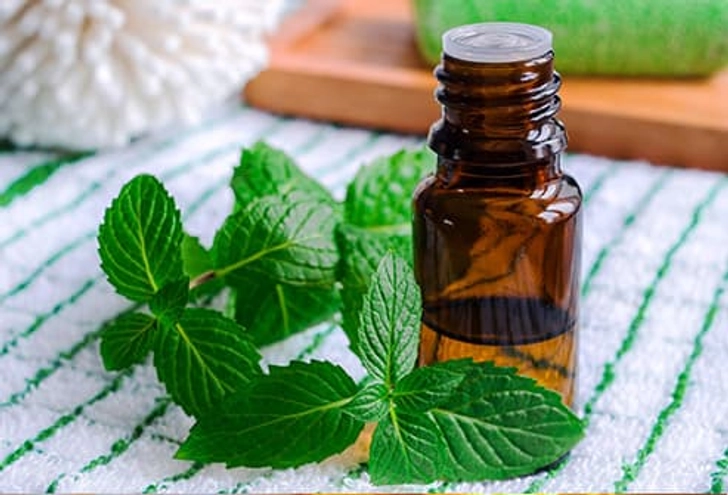
Peppermint or ginger can help ease mild nausea for many people. Not magic. Just useful. I keep ginger around because it has rescued more rough afternoons than I can count, especially after travel, rich meals, or a stomach that clearly wanted simpler treatment.
The tricky part is knowing when stomach trouble stops being routine. Blood, severe pain, lasting vomiting, black stools, or signs of dehydration change the story. That is not the time to test more simple home remedies. That is the time to get medical advice and quit guessing.
Aches, Strains, and Minor Pains Need Early Respect
Small body pains become stubborn when you act tough too early. That sore lower back after lifting a heavy box or the wrist ache after hours of typing does not need heroics. It needs smart attention before it turns into a week-long argument.
For fresh strains, rest is useful, but total immobility can backfire. Light movement often helps keep things from stiffening up. The trick is gentle, not ambitious. This is not the day to prove you can “push through it.” That phrase has caused enough nonsense already.
Cold packs can help during the first day or two when swelling or fresh pain shows up. Later, warmth may feel better for tight muscles. That shift matters. Ice tends to calm irritation early. Heat often relaxes muscles once the sharp edge fades. Timing changes the result.
Posture also sneaks into this conversation more than people like. Neck pain from a laptop setup is not bad luck. It is usually your body filing a complaint. Raise the screen, unclench your shoulders, and stand up more often. Tiny fixes save bigger trouble later.
A practical example: a friend once blamed age for constant shoulder pain. The real issue was hours of working from a couch corner with one arm twisted upward. A better chair solved more than any expensive cream had. Bodies are honest that way.
Skin Irritations, Small Burns, and Everyday Reactions Need Calm Hands
Skin problems tempt people into doing too much. They scrub, pick, scratch, layer five products, then wonder why a tiny irritation turned into a full performance. Calm hands win more often than aggressive treatment ever does.
For mild rashes or itchy patches, start simple. Cool water, gentle cleansing, and leaving the area alone can help more than heavily scented products. Fragrance is often where good intentions go to die. Skin that is irritated wants less interference, not a chemistry experiment.
Minor burns need immediate cooling with cool running water, not ice. Ice can make the tissue angrier. Once the heat is out, keep the area clean and protect it with a plain, nonstick covering if needed. Do not break blisters just because they look inconvenient.
For bug bites or mild allergic irritation, a cold compress can reduce swelling and itch. The urge to scratch is strong. Ignore it anyway. Broken skin invites more trouble, and that tiny bite can become a bigger mess fast if you keep tearing at it.
This is the other side of good home care: restraint. Some of the best remedies feel almost too modest to count. That is because they work by giving your body room, not by putting on a dramatic show. If a rash spreads fast, a burn is deep, or swelling affects breathing, get help immediately.
The Best Remedy Is Knowing When Home Care Should End
Here is the hard truth: being good at home care is not about proving you never need a doctor. It is about knowing where the line is and respecting it early. People get into trouble when ego joins the treatment plan.
Trusted remedies for common everyday health issues work best when you treat them like first aid for ordinary discomfort, not a substitute for proper medical care. Water helps a dehydration headache. Honey helps a sore throat. Rest helps a body that has been pushed too hard. That is wisdom, not laziness.
But symptoms have patterns, and patterns tell the truth. If pain gets sharper instead of softer, if a fever lingers, if breathing changes, if weakness appears, if a rash spreads, your body is no longer asking for a home fix. It is asking for attention from someone trained to spot what you cannot.
My strong opinion is this: people do not need more panic, and they do not need more denial either. They need better judgment. Keep a few dependable remedies close, trust your observations, and act sooner when something feels off.
Take the next step today: build a small home-care kit, save emergency numbers, and learn your red-flag symptoms before the next “little issue” decides it wants to become a bigger one.
What are the best trusted remedies for common everyday health issues at home?
The best ones are usually the least flashy: water for dehydration, rest for fatigue, salt-water gargles for sore throats, bland foods for upset stomachs, and cold or warm compresses for minor pain. Start simple before you start stacking treatments.
How do I know if a headache is safe to treat at home?
A mild headache that improves with water, food, screen breaks, or rest is often fine to manage at home. A sudden severe headache, weakness, fainting, or speech trouble changes the story and needs urgent medical care.
What helps a sore throat feel better quickly without prescription medicine?
Warm drinks, honey, salt-water gargles, and extra sleep usually help the fastest. Dry air makes everything worse, so steam or a humidifier can calm the irritation and make swallowing less miserable.
Which foods should I eat when I have an upset stomach?
Stick with plain, easy foods like toast, rice, bananas, applesauce, or crackers. Rich meals, greasy snacks, and spicy food can turn a mild stomach problem into an all-day disaster.
Are simple home remedies enough for mild cold and flu symptoms?
They often are for mild symptoms such as congestion, throat irritation, and tiredness. Rest, fluids, warm drinks, and patience do a lot of heavy lifting, but breathing trouble or lasting high fever should never be shrugged off.
When should I stop using home remedies and call a doctor?
Call a doctor when symptoms get worse, keep returning, or come with warning signs like chest pain, dehydration, blood, breathing changes, confusion, or unusual weakness. Home care has a lane. Stay in it.
What is the safest way to treat minor burns at home?
Run cool water over the burn for several minutes, keep it clean, and protect it gently if needed. Skip ice, butter, and random internet hacks. Burns do not need creativity. They need calm, clean care.
How can I relieve body aches and muscle tension naturally?
Gentle movement, a cold pack early on, heat later for tightness, better posture, and actual rest can help a lot. Many everyday aches come from strain and repetition, not from anything mysterious.
Do trusted remedies for common everyday health issues work for children too?
Some do, but children are not just smaller adults with louder opinions. Age matters, dose matters, and symptoms can change faster. Use child-safe guidance and call a clinician sooner when you are unsure.
Can dehydration really cause headaches, fatigue, and dizziness?
Yes, and it does it more often than people think. If you have been busy, sweating, traveling, or skipping fluids, dehydration can easily show up as headache, tiredness, dry mouth, and lightheadedness.
What should be in a basic home remedy kit for everyday illness?
Keep water or oral rehydration packets, honey, a thermometer, plain bandages, a cold pack, a heating pad, gentle soap, and basic pain relief if your doctor says it is safe for you. Practical beats fancy every time.
Why do small health issues feel worse at night or after work?
Because your body is tired, your stress is higher, and you finally notice what you ignored all day. Many symptoms feel louder when the distractions stop and the fatigue rolls in. That does not make them fake.